Enhancing Collaboration and Engagement through Seamless Telepresence Platforms in Meeting Spaces
Wiki Article
Virtual presence platforms have revolutionized the way companies conduct meetings and group activities. Contemporary solutions permit attendees to connect clearly across different offices, overcoming spatial limitations that historically limited collaboration. Advanced sound and visual technology provides that meetings are not only perceived but also visually contextualized, which supports groups maintain attention and involvement. By integrating these solutions into meeting spaces, companies can simulate in-person experiences, creating distance cooperation more natural. Furthermore, solutions frequently include features such as document sharing, mark-up, and virtual whiteboards, which boost the ability to develop complex projects in live.
The layout of a conference room assumes a critical role in the performance of virtual platforms. Effective visual setup, sound quality, and chair placement contribute to a more effective remote session. For instance, evenly distributed lighting eliminates dark spots and clarifies camera clarity, while acoustic treatments limit noise and ambient sound, improving audio quality. user-friendly seats and well-organized layouts help attendees to remain comfortable during longer sessions. These design factors, combined with modern systems, build a space that promotes active participation and continuous attention.
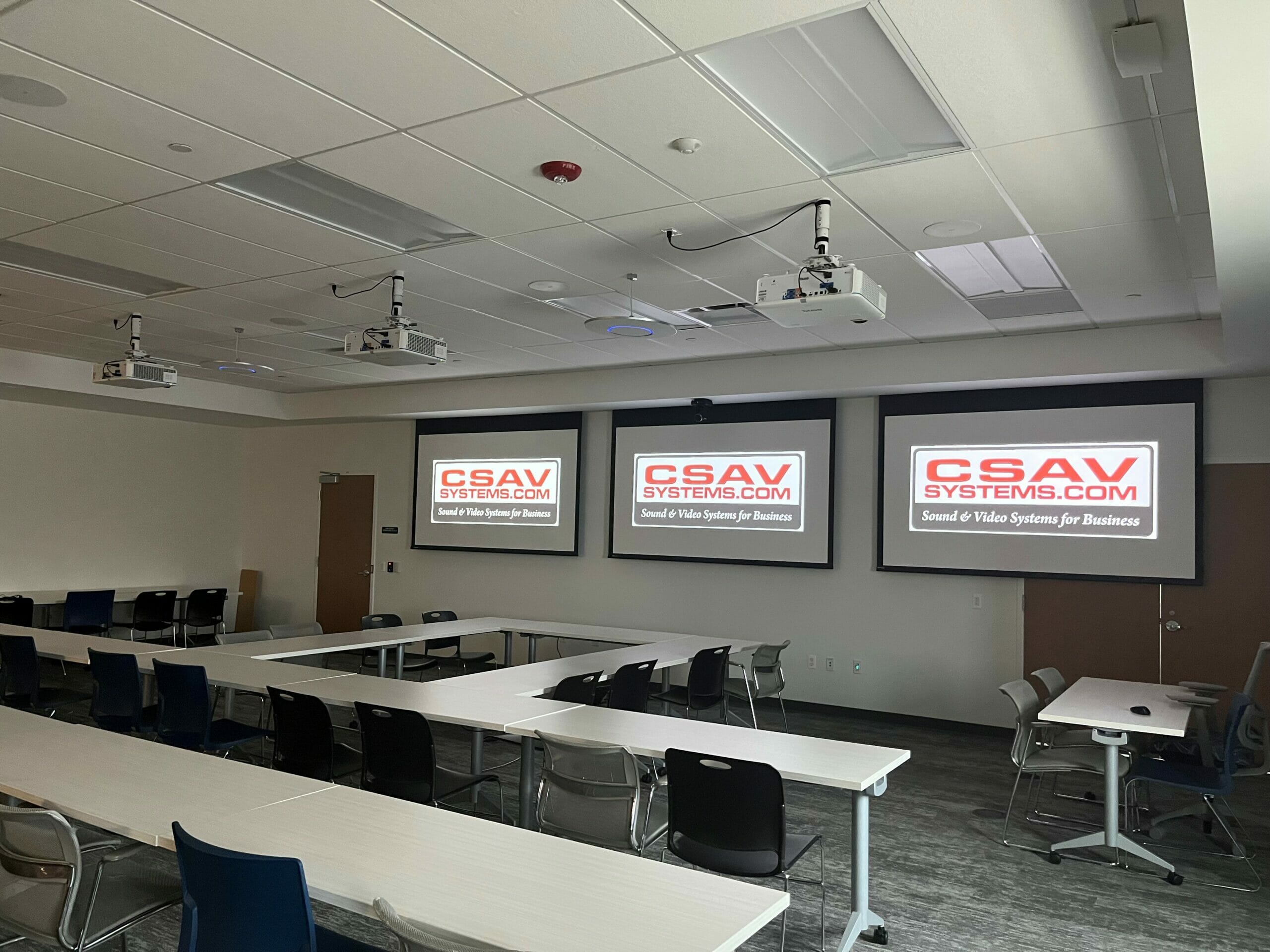
Effective systems also rely on user-friendly interfaces and clear operation. When participants can quickly handle sessions, change presentation modes, or share content without issues, discussions proceed more effectively. Training and guidance are essential, as even the most advanced solutions will fail if attendees are unfamiliar about their function. Organizations often develop guidelines for virtual sessions, defining optimal procedures for launching sessions, presenting materials, and encouraging input from all participants. audiovisual equipment rental for events These procedures ensure effective collaboration and reduce interruptions during collaborative sessions.
Synchronization with other collaboration tools improves remote platforms in conference rooms. For instance, synchronizing telepresence platforms with workflow platforms, cloud storage, or messaging tools permits teams to access resources quickly and update information in real time. Collaborative features like joint work areas, instant surveys, and chat functions enhance team engagement, making sure that virtual and in-person participants contribute equally see this page in discussions. These integrations enhance workflow efficiency, reduce redundancies, and ensure coordination among participants, no matter their office.
Ultimately, companies that implement effective systems gain significant outcomes in both collaboration and involvement. Teams demonstrate higher satisfaction levels, accelerated problem-solving, and stronger deliverables when interaction is smooth and inclusive. By combining sophisticated platforms, thoughtful conference room design, easy-to-use interfaces, and strategic integrations, companies create an space where participants remain involved, informed, and encouraged to participate. Over time, these enhancements produce stronger team cohesion, increased creativity, and a more productive organizational culture generally.